.png)


Massage as a Vital Part of Fitness for the LGBTQ+ Community
In recent years, the conversation around fitness has expanded beyond aesthetics and performance to include recovery, mental wellbeing, and inclusivity. For the LGBTQ+ community, fitness spaces can sometimes feel intimidating or exclusionary, making it even more important to embrace holistic practices that support both body and mind. One such practice gaining recognition is massage therapy—not just as a luxury, but as an essential component of a balanced fitness routine.
Beyond the Gym: Rethinking Fitness
Fitness is no longer confined to lifting weights or hitting cardio targets. Recovery is now widely acknowledged as a cornerstone of progress. Massage plays a key role in this shift, helping to reduce muscle tension, improve circulation, and prevent injury. For LGBTQ+ individuals who may already navigate higher levels of stress due to societal pressures or discrimination, massage offers an added layer of physical and emotional relief.
The Mental Health Connection
Mental health is a significant consideration within the LGBTQ+ community, with studies consistently showing higher rates of anxiety, depression, and stress. Physical activity helps—but pairing it with massage can amplify the benefits. Massage therapy promotes relaxation, reduces cortisol levels, and can improve sleep quality. For those balancing demanding lives or dealing with identity-related stressors, this combination can be transformative.
Creating Safe and Affirming Wellness Spaces
Not all wellness environments feel inclusive. That’s why it’s important to highlight and support massage therapists and fitness professionals who actively create LGBTQ+-affirming spaces. Feeling safe and respected during a massage session is crucial—it allows clients to fully relax and benefit from the treatment. Many practitioners across the UK are now openly inclusive, using gender-neutral language and ensuring their services cater to diverse bodies and identities.
Enhancing Performance and Recovery
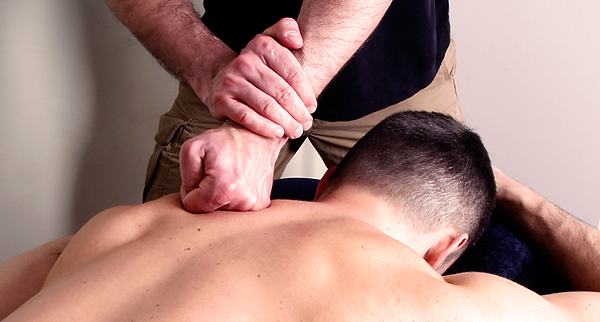
Whether it’s strength training, yoga, running, or dance, massage can enhance performance across all fitness disciplines. Techniques like deep tissue massage and sports massage help to break down muscle adhesions, improve flexibility, and speed up recovery time. For those training regularly, incorporating massage into a weekly or monthly routine can lead to better results and fewer injuries.

Community and Self-Care
For LGBTQ+ individuals, self-care often carries deeper meaning. It can be an act of resilience, self-affirmation, and empowerment. Massage fits naturally into this framework. It’s not just about easing sore muscles—it’s about reconnecting with your body in a positive, affirming way. Fitness doesn’t have to be punishing or rigid. By integrating massage into a routine, individuals can create a more sustainable, enjoyable approach to health—one that honours both physical goals and emotional wellbeing.
As fitness culture continues to evolve, inclusivity and holistic care must remain at the forefront. Massage therapy offers a powerful, accessible way to support recovery, reduce stress, and enhance overall wellbeing. For the LGBTQ+ community, it’s more than just a wellness trend—it’s a meaningful addition to a lifestyle centred on self-respect, resilience, and balance.
For platforms like g10 and other LGBTQ+ media voices in the UK, highlighting these approaches helps reshape the narrative around fitness into one that is truly inclusive, empowering, and sustainable.