.png)


27 Years On: Remembering the Admiral Duncan Bombing and the Enduring Strength of London’s LGBTQ+ Community
On 30 April 1999, a nail bomb tore through the Admiral Duncan pub in Soho, shattering what should have been an ordinary Friday night. Three people were killed—Andrea Dykes, John Light, and Nick Moore—and more than 70 others were injured. The attack, carried out by a far-right extremist, targeted the heart of London’s LGBTQ+ community with the intent to spread fear, division, and hate.
Twenty-seven years later, the Admiral Duncan bombing remains one of the most significant acts of anti-LGBTQ+ violence in the UK. But it is also remembered as a moment that revealed something far more powerful than hatred: collective resilience.
A Community Targeted
The late 1990s were a time of growing visibility for LGBTQ+ people in Britain, but also of heightened backlash. Soho, long a hub for queer life in London, symbolised openness, diversity, and resistance. The Admiral Duncan itself was more than a pub—it was a refuge, a meeting place, a space where people could exist freely.
The bombing was the third in a series of attacks that month, following explosions in Brixton and Brick Lane, targeting Black and South Asian communities respectively. This pattern made clear the perpetrator’s broader ideology: a campaign of terror against multicultural Britain.


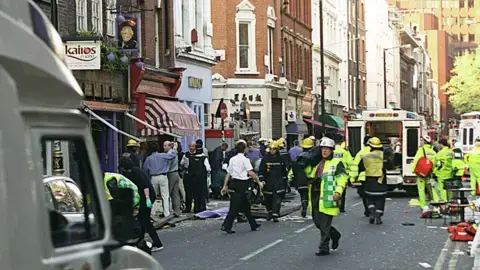
Immediate Aftermath: Grief and Solidarity
In the days following the bombing, shock gave way to mourning—and then to solidarity. Vigils filled Soho’s streets. LGBTQ+ people, allies, and communities across London came together not only to grieve but to stand visibly against hate.
The response was defiant. Rather than retreating from public life, people showed up in greater numbers. Queer venues remained open. Pride events that year carried added weight, transforming from celebration into acts of remembrance and resistance.
Lasting Impact
The bombing had a profound and lasting impact on both the LGBTQ+ community and the wider UK. It prompted increased attention to hate crimes and strengthened calls for legal protections. In the years that followed, the UK saw significant progress in LGBTQ+ rights—from the repeal of Section 28 to the introduction of civil partnerships and, later, equal marriage.
But progress has never been linear. The anniversary arrives at a time when anti-LGBTQ+ rhetoric and hate crimes are again on the rise in parts of the UK. For many, remembering the Admiral Duncan is not only about looking back—it’s about recognising patterns that persist.
Memory, Resistance, and Responsibility
Today, a small plaque marks the site of the bombing, easily missed amid Soho’s busy streets. Yet for those who know, it represents both loss and legacy. Annual commemorations continue, ensuring that the victims are not forgotten and that the lessons of 1999 remain relevant.

For younger generations, the Admiral Duncan bombing may feel like distant history. But its significance endures. It reminds us of the consequences of unchecked extremism and the importance of safeguarding spaces where marginalised communities can gather safely.
Moving Forward
Anniversaries like this are moments to reflect, but also to act. Supporting LGBTQ+ venues, challenging hate speech, advocating for inclusive policies, and building solidarity across communities are all ways to honour those affected.
The Admiral Duncan still stands today—rebuilt, reopened, and still serving as a cornerstone of Soho’s queer scene. Its continued presence is a quiet but powerful statement: that even in the face of violence, community endures. Twenty-seven years on, we remember the lives lost. We acknowledge the pain carried by survivors. And we recognise the strength that emerged in response—a strength that continues to shape the fight for equality and safety today.