

Fuerteventura & Lanzarote: The LGBTQ+ Guide to Two of the Canary Islands’ Most Relaxed Escapes
If your idea of the perfect LGBTQ+ holiday involves sunshine, spectacular beaches, good food, a relaxed atmosphere and the freedom to be yourself, Fuerteventura and Lanzarote deserve a place on your travel list.
The two neighbouring Canary Islands offer something slightly different. Fuerteventura is all about enormous beaches, dunes, watersports and a wonderfully laid-back atmosphere, while Lanzarote combines volcanic landscapes, stylish resorts, great restaurants and a more established LGBTQ+ nightlife scene.
Neither island is quite the same as Gran Canaria when it comes to LGBTQ+ nightlife, but that can be part of their appeal. These are destinations where the holiday is more about sun, sea, adventure and relaxation than spending every night in a gay club.
Fuerteventura: Beaches, Dunes & Laid-Back Island Life
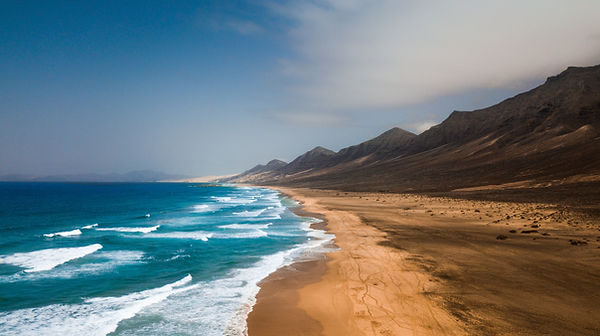
Fuerteventura is arguably the more relaxed of the two islands. It has long been popular with LGBTQ+ visitors, particularly around Corralejo, in the north. The island has a generally welcoming and liberal atmosphere, although its dedicated LGBTQ+ scene is relatively small. For many LGBTQ+ travellers, that's exactly the attraction.
Corralejo – the place to start
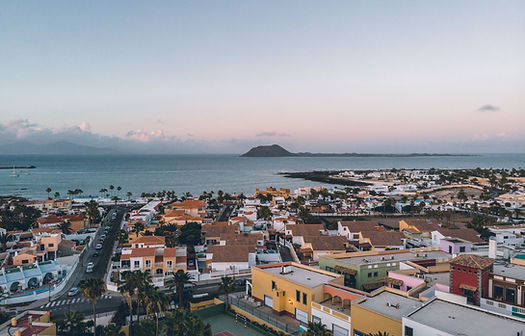
Corralejo is the obvious base if you're looking for a combination of beaches, restaurants, bars and nightlife. The town has plenty of places to eat and drink, while the enormous beaches of the Corralejo Natural Park are just outside the resort. The Grandes Playas de Corralejo stretch for around nine kilometres, with white sand, turquoise water and the enormous Corralejo dunes providing an incredible backdrop. The southern coves are also popular for naturist bathing. If you're looking for LGBTQ+ nightlife, the scene is small but there are options. The Jungle Gay Bar Fuerteventura in Corralejo is one of the island's dedicated gay venues.
Beaches and naturism
Fuerteventura is particularly attractive if you enjoy naturist beaches. The Corralejo area has several beaches where naturism is common, including Playa del Bajo Negro. The important thing to remember is that a naturist beach isn't automatically a sexual environment. Respect other beach users, maintain appropriate boundaries and remember that you're also in a protected natural area.
Beyond Corralejo
Don't spend your entire holiday in the resort. Hire a car and explore the island's smaller villages, dramatic coastline and quieter beaches. The volcanic interior provides a striking contrast to the white sands of the north. You can also take a boat trip towards Lobos Island, or look across the water towards Lanzarote. For adventurous travellers, Fuerteventura is particularly good for surfing, windsurfing, kitesurfing, cycling and hiking.
Where should LGBTQ+ travellers stay?
For the largest concentration of LGBTQ+ visitors and easy access to the beaches, Corralejo is probably the best choice. For something quieter, look towards Costa Calma and the south of the island. One LGBTQ+-friendly option worth considering is BHH Naturist Resort Fuerteventura in Costa Calma, particularly for travellers who want a naturist-focused break.

Lanzarote: Volcanic Landscapes & LGBTQ+ Nightlife
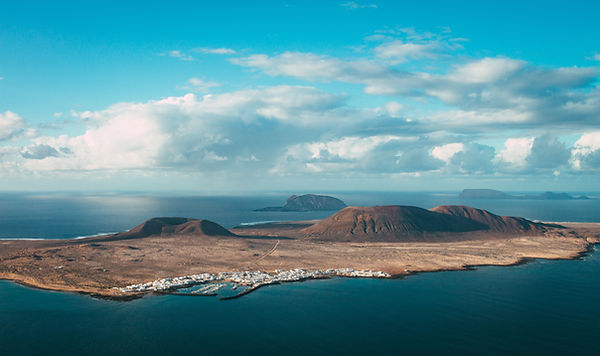
Lanzarote has a very different personality. The island's black volcanic landscapes, whitewashed buildings and dramatic coastline make it one of the most visually distinctive destinations in the Canary Islands. It is also considered a very LGBTQ+-friendly destination, with Puerto del Carmen being the main base for LGBTQ+ nightlife.
Puerto del Carmen
If nightlife matters to you, Puerto del Carmen should be high on your list. The resort has the largest concentration of bars and nightlife on Lanzarote, particularly around Avenida de las Playas and the old harbour area. One of the island's best-known LGBTQ+ venues is XXL Lanzarote Mens Bar, a gay men's bar and late-night venue in Puerto del Carmen.
For something a little different, Music Hall Tavern Lanzarote offers a drag-comedy dinner show, combining food, comedy, singing and dancing. The island's LGBTQ+ scene is still relatively small compared with Gran Canaria, but Puerto del Carmen gives visitors enough choice for a fun night out without making the entire holiday revolve around nightlife.
Playa Blanca & Papagayo
At the other end of the island, Playa Blanca offers a quieter alternative. The resort is particularly useful for travellers who want beautiful beaches, restaurants and a more relaxed atmosphere. One of Lanzarote's must-see areas is Papagayo, where a series of spectacular beaches and coves sit within a protected landscape. Pack plenty of water, sunscreen and sensible footwear – the scenery is stunning, but some of the approaches to the beaches can be rough.
Explore the volcanic side of Lanzarote
No trip to Lanzarote should be entirely about the beach. The island's volcanic landscape is extraordinary, and places such as Timanfaya National Park offer an experience that feels completely different from a conventional beach holiday. Lanzarote was designated a UNESCO Biosphere Reserve in 1993, reflecting the importance of its natural environment. Other highlights include:
-
Timanfaya National Park – dramatic volcanic scenery.
-
Jameos del Agua – one of César Manrique's most famous creations.
-
Cueva de los Verdes – spectacular volcanic caves.
-
Mirador del Río – incredible views across the island and towards La Graciosa.
-
Teguise – historic streets, architecture and one of the island's best-known markets.
-
Arrecife – Lanzarote's capital, worth exploring for restaurants, shops and culture.


Fuerteventura or Lanzarote?
Fuerteventura and Lanzarote are very close neighbours, and ferry services connect the islands. The crossing between Corralejo and Playa Blanca is a popular way of combining the two destinations, A week-long holiday could easily be split between them – perhaps four nights in Lanzarote followed by three nights in Fuerteventura, or vice versa. That gives you the best of both worlds: Lanzarote's volcanic landscapes, restaurants and LGBTQ+ nightlife followed by Fuerteventura's beaches, dunes and slower pace.
When should you visit?
Both islands benefit from a warm climate throughout much of the year. Fuerteventura is particularly attractive for winter sun, while spring and autumn can offer a great balance between warm weather and avoiding the busiest periods. Remember that the Canary Islands can be windy – especially Fuerteventura – so don't underestimate the need for sunscreen even when temperatures don't feel extreme.
g10 Travel Tip
Don't judge either island solely by its gay scene. If you're looking for the biggest LGBTQ+ party destination in the Canaries, Gran Canaria remains difficult to beat. But if your idea of an LGBTQ+ holiday is waking up beside the Atlantic, spending the afternoon on a spectacular beach, exploring somewhere new, enjoying dinner and then heading out for a few drinks, Fuerteventura and Lanzarote can be excellent choices. And perhaps that's their biggest attraction: you can have a fantastic LGBTQ+ holiday without your entire trip being defined by nightlife. Fuerteventura is the island for beaches, freedom and switching off. Lanzarote is the island for volcanic adventure, restaurants and a little more nightlife. Put them together, and you've got a seriously good Canary Islands escape.