


Brighton LGBTQ Venues R-Bar and Charles Street Tap to Close in September 2026
Two long-running LGBTQ+ venues on Brighton’s seafront are set to close within days of each other in September 2026, marking a difficult moment for the city’s nightlife and queer community.
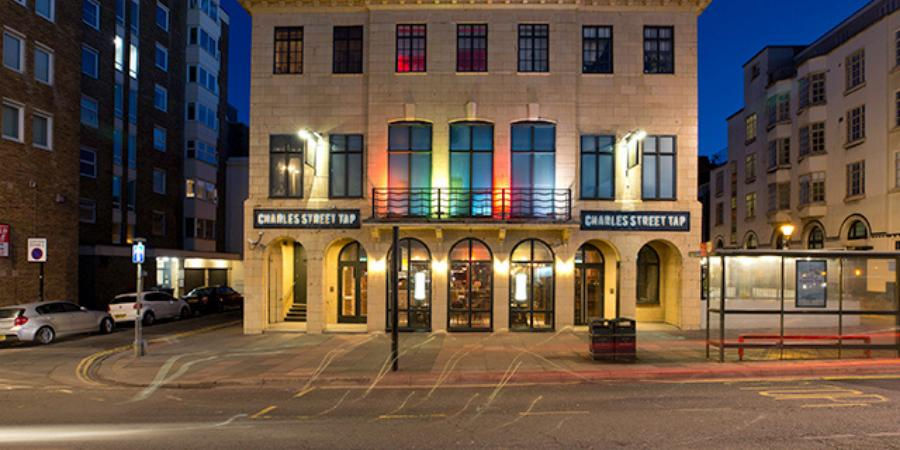
R-Bar, a fixture on Marine Parade for 21 years, is due to shut permanently on Sunday, 20 September 2026. Charles Street Tap, another well-known LGBTQ+ venue nearby, is expected to close in mid-September 2026 after 25 years in business.
Both closures point to the same wider pressure facing hospitality venues across the UK: rising costs, tighter margins, changing spending habits, and leases that can decide a venue’s future.

Two closures that will be felt beyond Marine Parade
R-Bar and Charles Street Tap are not just places to buy a drink. For many people, LGBTQ+ venues are places where friendships form, people feel safer being themselves, and community life becomes visible.
That is why the closure of both venues in the same month will carry more weight than a routine change in the local night-time economy.
Brighton has a long association with LGBTQ+ culture, with much of its queer nightlife centred around Kemptown and the seafront. Marine Parade has played a visible role in that identity. Losing two established venues from the same stretch changes the feel of the area, especially for regulars who have built memories there over many years.
For younger visitors, these venues may have been first nights out. For older regulars, they may have been part of weekly routines, Pride weekends, birthdays, reunions, drag nights, or simply somewhere familiar to go without having to explain themselves.
When a queer venue closes, the loss is often social as much as commercial.
Why R-Bar is closing after 21 years
R-Bar is set to close permanently after more than two decades in business, with its final day scheduled for Sunday, 20 September 2026.
The owners have pointed to a sharp rise in operating costs, including utilities and supplies. They have also cited a drop in customer spending, a pressure many hospitality businesses have faced as household budgets tighten.
That combination is hard to absorb. Bars and clubs have fixed costs that do not disappear when customers spend less. Rent still needs paying. Energy bills still arrive. Stock costs more. Staffing, repairs, cleaning, licensing, insurance, and card processing fees all sit in the background.
If takings fall at the same time as bills rise, even a popular venue can find itself squeezed.
For R-Bar, the end of a 21-year run will be a significant marker. Venues that survive for that long usually do so because they have loyal regulars, a recognisable place in the local scene, and a clear identity. Closing after that length of time suggests the pressures have become more than the business can carry.

Why Charles Street Tap is also closing
Charles Street Tap is expected to close in mid-September 2026 after 25 years. In this case, the closure is tied to the expiry of its lease, with the building returning to the landlord.
Lease endings can be decisive for hospitality venues. Even a well-loved bar can face an uncertain future when a lease runs out, especially if renewal terms are not possible or the landlord has other plans for the building.
After 25 years, Charles Street Tap has been part of Brighton’s LGBTQ+ nightlife for a generation. That span means it has served people through major changes in the city, in queer culture, and in the hospitality trade. Venues like this often become landmarks because people use them as meeting points, safe places, and reference points for a night out.
The timing also matters. With R-Bar closing days later, the two closures will create a noticeable gap in the area. Regulars will not simply be choosing another bar on a busy weekend. They will be adjusting to the loss of familiar places that helped shape the rhythm of the local scene.
What these closures say about LGBTQ+ nightlife in the UK
The closures of these Brighton LGBTQ venues are part of a broader concern. Across the UK, LGBTQ+ spaces have faced pressure from rising rents, redevelopment, cost increases, and changes in how people socialise.
Some nightlife habits have shifted since the pandemic. Some people go out less often. Some drink less. Many are more careful with money. At the same time, venues need to cover higher bills before they can even think about profit.
For LGBTQ+ venues, the challenge can be sharper because their value is not always captured by the balance sheet. A venue might be a bar, club, cabaret space, fundraiser venue, meeting point, and informal support network all at once.
That kind of role is hard to replace.
A city can still have queer-friendly spaces, but dedicated LGBTQ+ venues offer something different. They create a centre of gravity. They make community visible. They give performers a stage and regulars a place where they know the atmosphere, the staff, and the crowd.
When those spaces close, the impact spreads beyond the doorway.
What happens next for the community
The final weeks of R-Bar and Charles Street Tap are likely to be emotional for regulars, staff, performers, and the wider community.
There may be last visits, shared photographs, farewell nights, and personal stories from people who spent important parts of their lives there. These rituals matter. They help mark the end of a place that meant more than its trading name.
The practical question is what fills the gap.
Some customers will move to other venues. Some performers may find new stages. Some community events may relocate. Other operators may see demand for new queer-friendly or LGBTQ+ spaces in Brighton. Yet starting and sustaining a venue in the current climate is not simple, especially with high costs and uncertain customer spending.
For now, the clearest next step is to support the venues that remain, especially independent spaces that provide safer, welcoming environments. Support can mean turning up, buying a ticket, attending an event, recommending a night to friends, or simply treating staff and performers with respect.
It also means recognising that queer venues need customers all year round, not only during Pride season or major weekends.
A sad month for Brighton nightlife
September 2026 will mark the end of two long chapters on Marine Parade.
R-Bar will close after 21 years, with its final day set for Sunday, 20 September 2026. Charles Street Tap will close in mid-September after 25 years, as its lease expires and the building returns to the landlord.
The reasons are familiar, but that does not make the loss smaller. Rising costs, rent pressure, tighter customer spending, and lease uncertainty are reshaping nightlife across the country.
For Brighton, the closure of these two LGBTQ+ venues is more than a business story. It is a reminder that community spaces need more than affection to survive. They need sustainable costs, fair terms, steady support, and people through the door before the farewell notices appear.


Comments