
Munya Chawawa Says Chichester Run Exposed Abysmal Racism and Homophobia
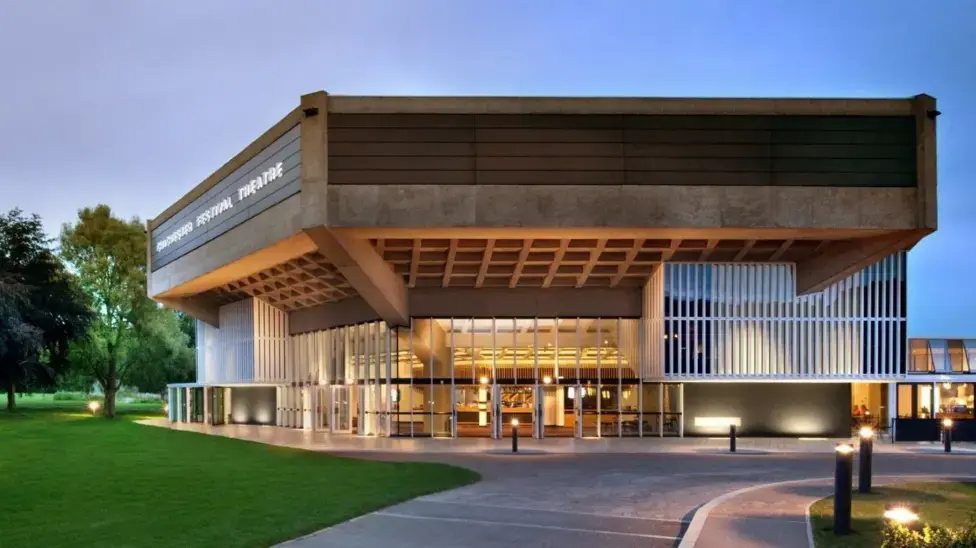
Munya Chawawa’s stage debut should have been remembered simply as a bold new step for one of Britain’s most recognisable comic voices. Instead, his reflections after A Midsummer Night’s Dream at Chichester Festival Theatre have raised a sharper question: what happens when the joy of performance is shadowed by hostility outside the theatre walls?
The comedian and actor, who played Bottom in the production, said cast members faced what he described as “abysmal” levels of racism, xenophobia and homophobia during the six-week run. His comments followed the closure of the show and came after an alleged homophobic attack on a cast member reportedly forced the cancellation of a performance earlier in the month.
For Chawawa, that incident was not isolated. He called it “just the tip of the iceberg”.

Chawawa said the off-stage experience was deeply troubling
In a video shared on social media after the show closed, Chawawa spoke about the contrast between the work on stage and what some members of the company experienced in Chichester.
“For some of us, Chichester was a real struggle,” he said. “I don't know if I have witnessed and or experienced as much racism, xenophobia and homophobia as I saw in those six weeks. I think I saw more in those six weeks than I have actually seen across my entire lifetime.”
That statement lands heavily because it is not framed as a passing frustration. Chawawa described a sustained atmosphere that affected members of the company across the run. He spoke not only as a performer, but as someone watching colleagues deal with treatment that no workplace, creative or otherwise, should normalise.
The production itself was a milestone for him. Best known for satire, character comedy and sharp online sketches, Chawawa used the role of Bottom to make his stage acting debut. Shakespeare’s comedy is often sold as playful, magical and mischievous. His account suggests that the reality around the production was far less charmed.
The alleged attack became a public flashpoint
The alleged homophobic attack on a cast member became the moment that brought wider attention to what had been happening behind the scenes. A performance was cancelled after the incident, according to the account shared around the production.
Chawawa’s point was that the alleged attack should not be treated as a one-off rupture. By calling it “just the tip of the iceberg”, he suggested a broader pattern of abuse and hostility that had already worn people down.
That matters because public discussions about prejudice often begin only after a severe incident becomes impossible to ignore. By then, the people affected may have already endured smaller acts of abuse, exclusion or fear for weeks.
Those acts can include:
racist remarks or slurs
xenophobic comments about someone’s background or nationality
homophobic abuse or intimidation
threatening behaviour in public spaces
repeated incidents that make people feel unsafe away from work
Not every incident receives a headline. Not every person targeted feels able to report what happened. That is part of the problem.
Theatre cannot separate art from the conditions around it
Theatre often asks audiences to believe in shared imagination. A company builds a world together, night after night, in front of strangers. That trust is fragile. It depends on performers feeling safe enough to do their work.
When cast members are subjected to racism, xenophobia or homophobia during a run, the harm does not remain outside the stage door. It follows people into rehearsals, dressing rooms, curtain calls and journeys home. It changes how people move through a town. It can make a workplace feel exposed, even when the theatre itself is supportive.
This is why Chawawa’s comments have resonated beyond one production. They point to a wider issue in British cultural life: venues may create inclusive work on stage, but the surrounding environment can still place performers at risk.
That does not mean a whole city or audience should be reduced to the actions of some individuals. It does mean arts organisations, local authorities and communities have to take reports of hate seriously before they escalate.
Public testimony can force a harder conversation
Chawawa’s platform gives his comments reach, but the substance of what he said should matter more than his fame. When a public figure describes racism, xenophobia and homophobia in such stark terms, the response should not stop at sympathy.
The more useful questions are practical:
Were cast members able to report incidents quickly and safely?
What support was offered after the alleged attack?
How are touring or visiting performers protected when they work in unfamiliar places?
What can venues do with local partners to improve safety around performances?
How will patterns of abuse be tracked, rather than treated as isolated complaints?
Those questions are uncomfortable, but they are necessary. They also apply far beyond Chichester. Performers, crew members and front-of-house staff across the country can face abuse from members of the public while simply trying to do their jobs.
The arts sector talks often about access, representation and inclusion. Chawawa’s account is a reminder that inclusion is not only about who gets cast, programmed or invited into a room. It is also about whether people can work without being targeted for who they are.
The takeaway from Chawawa’s Chichester comments
The story of this A Midsummer Night’s Dream run now carries two realities. On stage, it marked Munya Chawawa’s first major step into theatre acting. Off stage, according to his account, it exposed a level of abuse that he found shocking and unacceptable.
The clearest takeaway is simple: celebrating diverse casts means little if their safety is treated as secondary.
Chawawa’s comments should prompt more than a passing news cycle. They should lead to clear reporting routes, visible support for affected cast members, stronger local awareness and a refusal to minimise hate when it appears around cultural events.
A theatre production can close. The responsibility to protect the people who make that work does not.


Comments