.png)
Chichester Theatre Show Cancelled After Homophobic Abuse Investigation
A scheduled performance can usually survive late trains, bad weather, or a technical fault. It cannot easily survive the alleged targeting of a cast member shortly before curtain-up.
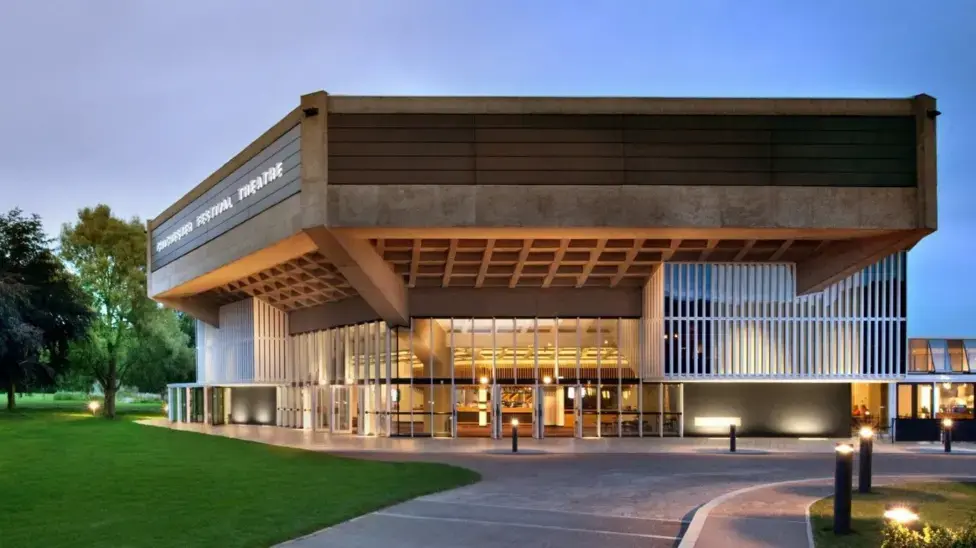
Chichester Festival Theatre cancelled a performance of A Midsummer Night’s Dream on Tuesday after the audience was told that a member of the cast had been assaulted. The theatre later said the actor had been subjected to “an appallingly abusive attack” and had been “aggressively hounded and physically pursued through the centre of Chichester” before the show was due to begin.
Sussex Police said it is investigating a report of homophobic abuse at about 18:00 BST on Tuesday and is treating the incident as a hate crime.

What happened before the performance
The cancellation came shortly before the Tuesday evening performance of A Midsummer Night’s Dream. Audience members were informed at the theatre that the show would not go ahead because of an assault on a cast member.
The theatre’s later statement gave more detail about the reported incident. It said the actor had been abused, hounded, and physically pursued through Chichester city centre before the scheduled show.
Sussex Police confirmed that officers were investigating a report of homophobic abuse at around 18:00 BST on Tuesday. The force said it was treating the matter as a hate crime.
At this stage, the key facts are:
A performance at Chichester Festival Theatre was cancelled shortly before it was due to begin.
The production was A Midsummer Night’s Dream.
The theatre said a cast member had been attacked before the show.
Police are investigating a report of homophobic abuse.
Sussex Police said the incident is being treated as a hate crime.
Those details matter because they separate what has been confirmed from what remains under investigation. The public account comes from the theatre and the police, and the investigation will determine what further action follows.
Why the theatre’s response matters
A theatre is a workplace as well as a public venue. Actors, stage managers, front-of-house staff, technicians, musicians, and visiting creatives all rely on basic safety to do their jobs.
Cancelling a show is never a small decision. It affects the audience, the production schedule, ticket holders, staff hours, and the cast. Yet when an alleged attack involves a member of the company shortly before a performance, the immediate question becomes one of welfare.
Theatre companies often speak about the show going on. That phrase has a long history, but it has limits. No performance should take priority over a person’s safety.
In this case, the cancellation sent a clear message. The theatre treated the reported incident as serious enough to stop the performance rather than ask the company to continue as if nothing had happened.
Hate crime allegations carry wider weight
Sussex Police said it is treating the report as a hate crime. In England and Wales, a hate crime is generally understood as a crime perceived by the victim or any other person to be motivated by hostility or prejudice towards a protected characteristic, such as sexual orientation, race, religion, disability, or transgender identity.
That does not mean every detail has already been proven. It means police are investigating the incident through that lens because of the nature of the report.
Homophobic abuse can have a chilling effect beyond the immediate victim. It can make performers, staff, audiences, and local communities question whether public spaces are safe for LGBTQ+ people. In a cultural venue, that harm feels especially stark. Theatre depends on openness, trust, and the freedom to appear in public without fear of being targeted.
The reported incident also raises a practical point. Abuse that begins in a public place can quickly become a safeguarding issue for venues nearby. If someone is pursued through a city centre, the concern moves from verbal hostility to immediate physical risk.
That is why clear reporting matters. It helps police assess evidence, identify witnesses, and decide what protection or follow-up is needed.
The production and the community affected
A Midsummer Night’s Dream is one of Shakespeare’s most performed plays. It is known for mistaken identities, love, conflict, and transformation. Its place in the Chichester Festival Theatre programme would have involved weeks, and likely months, of preparation from a large team.
When a show is cancelled in such circumstances, the effect spreads.
Audience members may feel shock or concern after hearing that a performer had allegedly been assaulted. Cast members may have to process fear and anger while also facing questions about future performances. Staff may need to support ticket holders while protecting the privacy and wellbeing of the person involved.
The local community is also part of the picture. Chichester city centre is not just a route to a theatre. It is a shared public space. A report that someone was aggressively pursued through that space raises questions about how bystanders, venues, and authorities respond when abuse happens in public.
None of those questions should distract from the centre of the story: an actor was reportedly targeted before going to work.
What happens next
The immediate next step sits with Sussex Police. Officers will continue investigating the report of homophobic abuse and any related allegations about the incident before the performance.
That could include gathering witness accounts, reviewing any available CCTV, speaking to the person affected, and assessing whether any offences may have been committed. The police have already said they are treating the matter as a hate crime, which may guide how evidence is recorded and how the victim is supported.
For the theatre, the focus is likely to be on the wellbeing of the actor, the wider company, and staff. It may also need to manage future performances, ticketing arrangements, and communication with audiences.
For audiences and the wider public, the most responsible response is patience and care. That means avoiding speculation about the identity of the actor or the details of the alleged attack. It also means taking the police investigation seriously and recognising the harm caused by homophobic abuse, whether it happens online, in a street, or outside a cultural venue.
The cancellation of one performance of A Midsummer Night’s Dream has become part of a larger conversation about safety, dignity, and hate crime in public life. The facts now rest with the police investigation, but the basic principle is already clear: no one should be abused, chased, or threatened because of who they are, and no workplace should have to treat that as the price of opening its doors.


Comments