.png)
Teen Arrested After Homophobic Abuse of Actor Forces Chichester Theatre Show to Be Cancelled
A theatre performance in Chichester was cancelled after an actor was allegedly followed, verbally abused and left shaken in what police are treating as a homophobic hate crime.
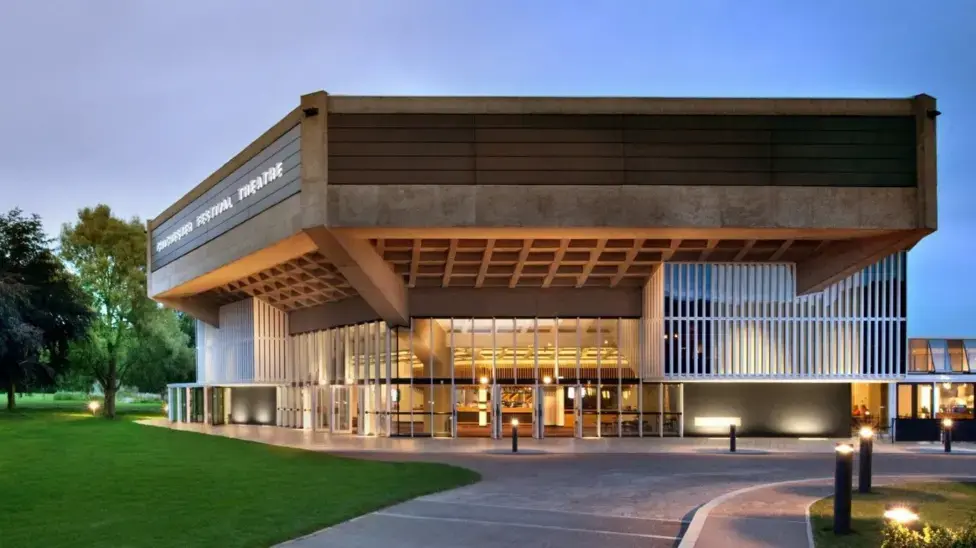
Sussex Police said a 16-year-old boy has been arrested in connection with the incident. The victim, a man in his 20s, was a member of the cast of A Midsummer Night’s Dream at Chichester Festival Theatre. The theatre cancelled that evening’s performance after the reported attack.
According to police, the actor reported being followed and abused by a group of young men riding bicycles in Chichester city centre. The incident happened in the Little London car park, behind East Street, at around 6pm on Tuesday, 13 October.
What Sussex Police have said
Sussex Police said the victim had reported being followed and verbally abused by a group of young men on bicycles in the city centre. Officers are treating the incident as a homophobic hate crime.
The force confirmed that a 16-year-old boy had been arrested in connection with the alleged abuse. As he is under 18, he cannot be identified in the usual way.
The reported incident took place in the Little London car park, a short distance from East Street, one of Chichester’s central shopping streets. The timing, around 6pm, meant it happened during a period when people were still likely to be moving through the city centre after work, school or early evening plans.
The victim was described as being in his 20s. Police have said he was shaken by what happened.
Because the case is active, the details currently available are limited. The arrest does not mean guilt has been established. It means police believe there are grounds to question the teenager as part of their investigation.
The theatre cancelled the performance after the actor was targeted
Chichester Festival Theatre cancelled that evening’s performance of A Midsummer Night’s Dream after the actor, who was due to appear in the production, was allegedly targeted.
The theatre previously described what happened as an “appallingly abusive attack”. It also said the actor had been “aggressively hounded and physically pursued through the centre of Chichester”.
Those words matter. They point to more than a passing insult. The allegation is that the victim was followed, pursued and abused in public. For a performer due to go on stage soon afterwards, that kind of experience can make continuing impossible.
Live theatre relies on trust. The audience sees the finished performance, but behind it are people preparing, focusing and depending on a safe working environment. When an actor is shaken by abuse shortly before a show, the impact does not stop with one person. It affects the cast, crew, theatre staff and audience members who had expected the performance to go ahead.
Cancelling a show is never a small decision for a theatre. It affects ticket holders, staff, schedules and the production itself. In this case, the cancellation gave a clear signal that the welfare of the actor came first.
Why police treat homophobic abuse as a hate crime
A hate crime is not defined only by physical injury. Abuse, harassment, threats and intimidation can all be treated as hate crimes if they are motivated by hostility towards a protected characteristic, including sexual orientation.
In this case, police have said the incident is being treated as homophobic. That framing affects how officers investigate it. They may look at the language used, the behaviour of the group, the context of the pursuit and the impact on the victim.
Hate crime carries a wider public harm because it sends a message beyond the immediate victim. It can make other LGBTQ+ people feel less safe in public spaces, especially when an incident happens in a visible city centre location.
That is why careful language matters. The reported conduct has rightly been described as alleged while the investigation continues. At the same time, the impact described by the theatre and police should not be minimised.
Being followed and verbally abused is frightening. Being targeted because of identity can add another layer of fear and humiliation.

The wider impact on public spaces in Chichester
Chichester is known for its cultural life, including the Festival Theatre and its role in bringing visitors into the city. Incidents like this can feel especially jarring because they happen in places people expect to be ordinary and safe: a car park, a shopping street, a walk to work, a route to a theatre.
Public safety is not only about preventing serious violence. It is also about whether people can move through a city without being harassed or singled out. For performers, hospitality staff, students, visitors and residents, city centre spaces need to feel usable in the evening as well as during the day.
The alleged abuse also raises a familiar issue for venues and public authorities. Cultural spaces often promote inclusion on stage and in their programming, but performers and audiences still have to travel through the real world around those venues. Safety does not begin at the theatre door.
Responsibility sits in several places:
Police
Investigate the alleged offence and take hate crime reports seriously.
Venues
Support affected staff, performers and audience members.
Witnesses
Share information when they see harassment or threatening behaviour.
Communities
Make clear that abuse aimed at someone’s identity is not normal public behaviour.
None of that replaces the criminal process. It does help set expectations for what public conduct should look like.
What happens next
The police investigation will determine what, if any, further action follows the arrest. Officers may review statements, speak with witnesses, examine nearby CCTV where available and assess the accounts of those involved.
For now, the key confirmed points are clear. A man in his 20s reported being followed and verbally abused by a group of young men on bicycles. The incident happened in Little London car park at around 6pm on Tuesday, 13 October. Police are treating it as a homophobic hate crime. A 16-year-old boy has been arrested in connection with the alleged incident. Chichester Festival Theatre cancelled that evening’s performance of A Midsummer Night’s Dream after the actor was left shaken.
The cancellation of one performance tells a larger story. Abuse in public spaces can have immediate consequences, not only for the person targeted, but for workplaces, audiences and communities around them. The strongest response is calm, clear and consistent: take the report seriously, protect the victim’s welfare and allow the investigation to run its course.


Comments